
The Last Mile of Democracy: India's Slow, Stubborn Digital Transformation of Local Governance
The grandest reforms are announced in the capital, but India's democracy is tested in its village councils. A look at the unglamorous work of dragging local government online.
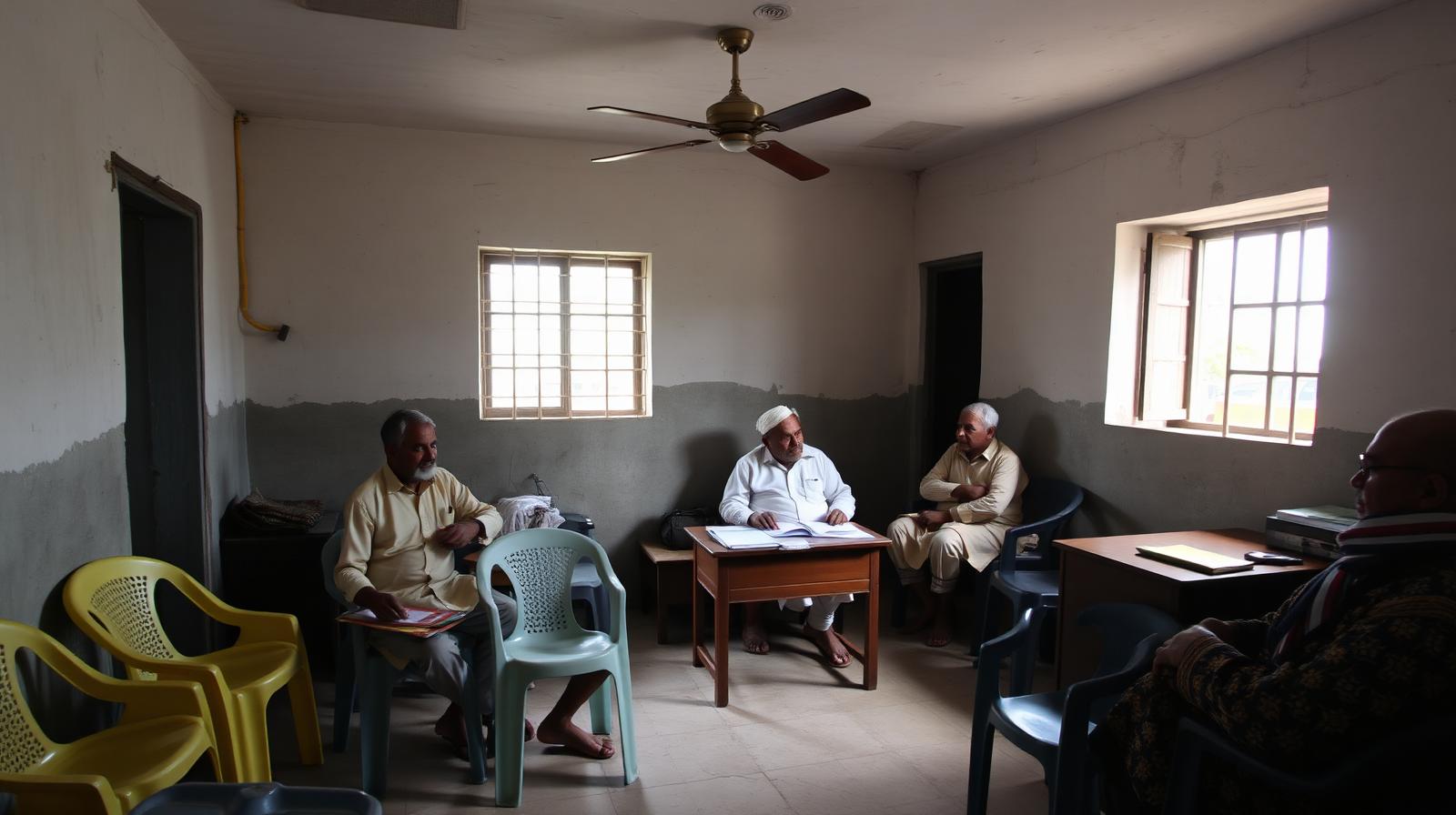
A village council office is rarely anyone's idea of where history is made. It is usually a single room with a ceiling fan, a steel almirah of fading files, and a register kept by hand for longer than anyone can remember. Yet it is here, far from the cameras of the capital, that the promise of Indian democracy is most honestly tested — in whether an ordinary citizen can get a certificate, a pension, or a fair hearing without paying for it in time, money or humiliation.
For years, reform of local governance was announced from the top and absorbed slowly, if at all, at the bottom. The gap between the policy and the village was where good intentions went to die. Recently, though, a quieter effort has been under way: the patient, unglamorous work of putting local government online — turning that hand-written register into a record a citizen can check, and a clerk cannot quietly alter.
The appeal is obvious. When a land record or a welfare entitlement lives in a database rather than a drawer, it becomes harder to lose, harder to fake, and harder to ransom. A widow seeking a pension she is owed should not have to depend on the mood of an official. Digitisation, at its best, replaces discretion with rules, and rules are the friend of the powerless.
But anyone who has watched these reforms up close knows the gap between the dashboard in the city and the reality in the field. Connectivity fails. The single computer breaks and waits months for repair. An elderly clerk who ran the office competently for thirty years is told the only valid way to do his job is one he was never trained for. Worst of all, a system that demands a smartphone and a stable signal can quietly exclude the very citizens it was meant to serve.
There is a subtler risk too. Technology can centralise power even as it appears to distribute it. A village council that once made its own decisions can find them increasingly shaped by a template designed far away, its discretion narrowed to data entry. Efficiency and local democracy are not always the same thing, and it is worth asking, each time, which one a given reform actually serves.
The honest assessment is mixed, and it should be. Where the effort has been paired with training, repair budgets and genuine respect for the people already doing the work, it has made government a little more honest and a little more reachable. Where it has been imposed as a target to be reported upward, it has produced impressive screenshots and unchanged lives. The last mile of democracy is crossed slowly, in thousands of ordinary rooms, by people whose names never appear in the news.