My Mother Almost Got Scammed Online. It Taught Me a Lesson I Won't Forget.
She is sharp, careful, and not naive. And she still came within one tap of losing her savings. That is the part nobody warns you about.
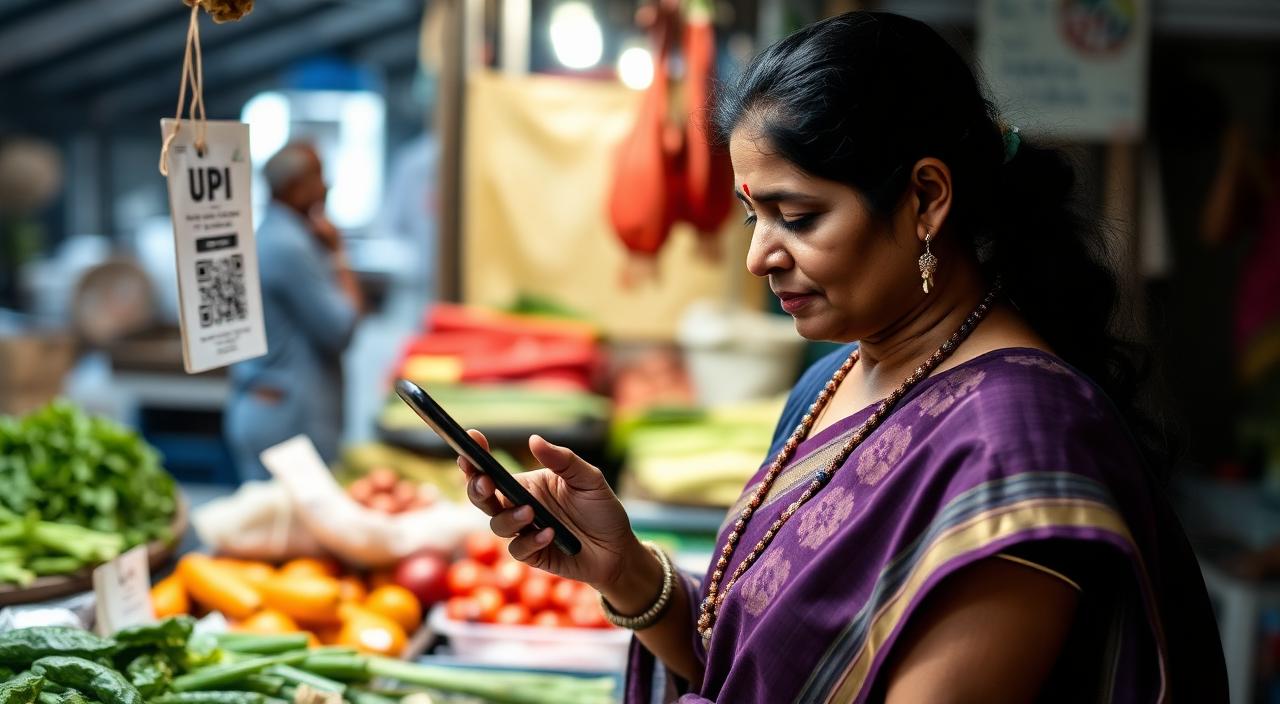
My mother is not naive. She raised three children, ran a household on a tight budget for thirty years, and can spot a dishonest vegetable vendor from across the market. So when she called me, her voice unsteady, to say a man from "the bank" had been speaking to her for twenty minutes, I felt something cold move through me.
He had done everything right, from his side. He knew her name. He knew which bank she used. He spoke politely, in her language, and he never once raised his voice. He told her there was a problem with her account, that he only needed to "verify" one code to protect her money. She had the message open. Her thumb was over it.
What saved her was not knowledge. It was a single habit I had nagged her about for years, half-believing she ever listened: never read out a code to anyone, ever, for any reason. She paused. She told him she would call the bank herself. He grew impatient — and that impatience, finally, was what gave him away.
I have thought about that phone call many times since. We talk about scams as if they catch only the foolish. They do not. They catch the trusting, the busy, the polite — which is to say, the decent. The fraudster's real skill is not technology; it is reading human kindness and turning it into a weapon.
So I no longer feel embarrassed repeating the boring rules to the people I love. No bank asks for a code. Urgency is a trick. When in doubt, hang up and call back on a number you found yourself. They are not exciting, these rules. They are just the thin line my mother happened to be standing on the right side of.
Call your parents. Tell them too. The conversation is awkward and it takes five minutes. The alternative is the phone call I almost got instead.